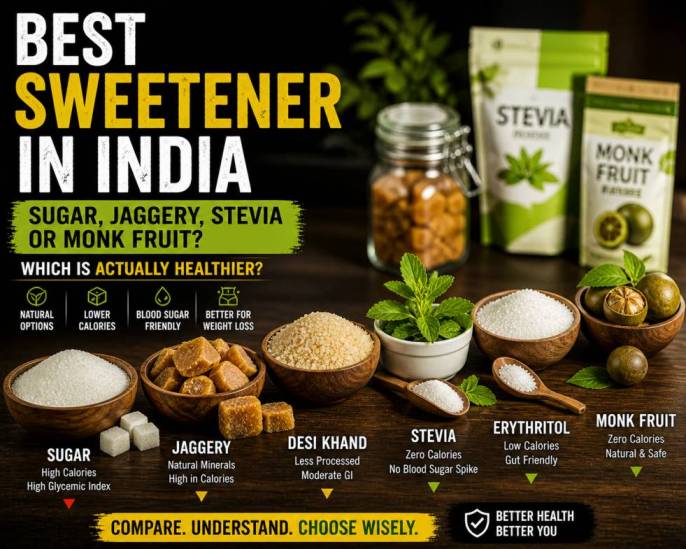
Best Sweetener in India 2026: Sugar, Jaggery, Stevia ya Monk Fruit — Kya Sach Mein Better Hai?
My mother still buys the same 5kg sugar bag every month. Has for thirty years. When I told her I switched to stevia, she said — and I'm quoting directly — "yeh sab fashion hai, hum toh gur khaate aaye hain saalon se."
Maybe she's right. Maybe she's not. That's exactly what this article is about.
Because honestly? There's so much noise around sweeteners right now. Every fitness influencer has a different opinion. Every brand claims their product is the healthiest. And most Indians are stuck somewhere between trusting nani's jaggery wisdom and not knowing what erythritol even is.
So let's just go through it. Practically. Without the drama.
First — Why Does This Even Matter
Okay real talk.
Most of us don't think about sweeteners until a doctor says "your sugar levels are borderline" or the weighing scale stops moving despite eating "healthy." That's usually when people start Googling at midnight.
India now has over 100 million diabetics. That number has more than doubled in fifteen years. And a big (not the only, but a big) driver of that is how much refined sugar we've quietly built into daily life — the chai, the biscuits with chai, the juice that's "natural," the curd that's flavoured, the ready masala packets.
The WHO says adults should stay under 6–9 teaspoons of added sugar daily. Most Indians are at 18–22. Not because we're eating rasgullas every hour — but because sugar is hiding in everything packaged.
Changing your sweetener isn't a magic fix. But it's a genuinely useful lever. Especially if you're managing weight, blood sugar, PCOS, or just want to feel less like garbage by 3pm every afternoon.
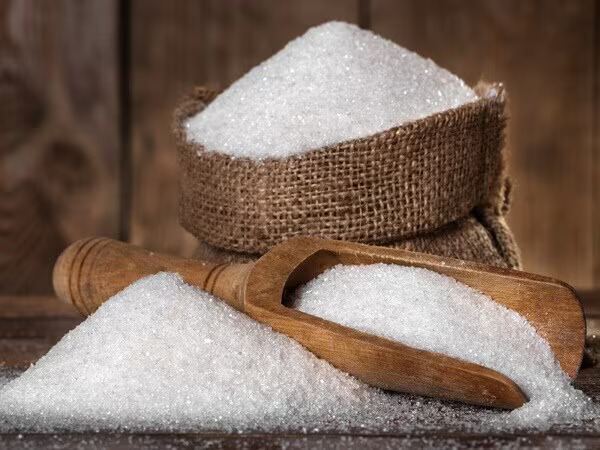 White Refined Sugar
Let's not pretend this needs a long introduction.
It's sucrose. Processed until there's nothing left but sweetness and calories — no minerals, no fibre, nothing useful. The body breaks it down fast, blood glucose spikes, insulin responds, and if this happens enough times over enough years, the system starts struggling.
Does a spoon in your chai once a day destroy your health? No, obviously not. The issue is it's not once a day for most people — it's six, eight, ten times a day when you count everything.
GI is around 65. About 16 calories per teaspoon. Zero nutritional value beyond that.
Bottom line: Fine occasionally. Genuinely problematic as the daily default at Indian consumption levels.
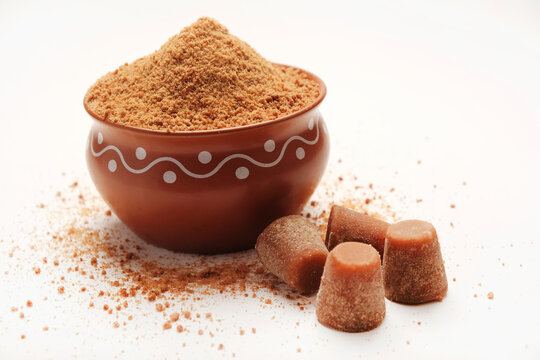 Jaggery / Gur
Right. The big one.
I want to be careful here because jaggery is deeply embedded in Indian food culture and I'm not here to villainise it. But I also want to be honest, because a LOT of misinformation floats around about gur.
Yes — jaggery has minerals. Iron, potassium, magnesium, some B vitamins. These aren't in refined sugar. That's real.
But jaggery is still 65–70% sucrose. The minerals are present in such small quantities that eating enough jaggery to get meaningful iron would mean consuming a worrying amount of sugar at the same time. The maths doesn't work out in favour of jaggery-as-health-food.
The glycemic index thing is where it gets awkward — some research shows jaggery actually hitting higher on the GI scale than white sugar. Not lower. This directly contradicts what most Indian wellness content claims.
So where does that leave us? Jaggery is less processed. It has a richer, more complex flavour. In traditional Indian recipes it tastes genuinely better. For someone healthy who wants a minimally refined option — fine, great even.
For a diabetic? Not a safe swap. At all. Stop calling it that.
GI: ~84 (some studies higher, varies) Calories/tsp: 15–16 kcal
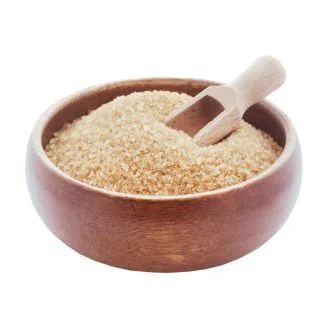 Desi Khand
Probably the most underrated option in this whole list and nobody talks about it.
Desi khand is basically raw cane sugar — between fresh sugarcane juice and refined white sugar in terms of processing. The molasses hasn't been fully removed so it's slightly golden, tastes faintly of caramel, and retains a bit more mineral content than white sugar.
It's not some dramatic health upgrade. But it's less processed, it's affordable, it's available at almost every kirana, and it dissolves perfectly in chai.
Honestly if you're healthy and just want to make one quiet improvement without overthinking it — swap white sugar for desi khand. That's it. No supplements, no fancy products.
GI: ~65–70 Cost: Practically nothing
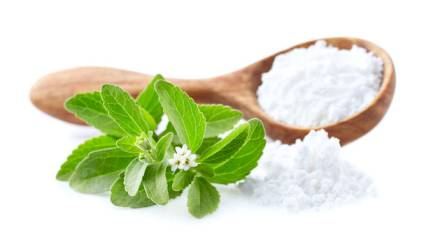 Stevia
Okay stevia deserves a proper explanation because people either swear by it or tried it once and threw the packet away.
It's extracted from a plant — Stevia rebaudiana — and the sweet compounds are 200–300 times stronger than sugar. So you use tiny amounts. Zero calories. Zero glycemic impact. Doesn't touch blood sugar levels.
Studies back it up. FSSAI approved it. Works well for diabetics, PCOS patients, people losing weight.
The honest problem: taste. First time most people try stevia, there's this lingering slightly bitter, slightly herby aftertaste. It doesn't taste like sugar. Some people adjust to it within a week or two. Others never fully do.
What makes a real difference here is quality. Cheap stevia products in India are often mostly maltodextrin or dextrose — essentially filler sugar with a bit of stevia added. Look for "Reb-A 97%" on the label. That's the purer extract and it tastes noticeably cleaner.
Brands worth trying: Zindagi, So Sweet, Now Foods (available on Amazon India).
GI: 0 Calories: 0 Best for: Diabetics, weight loss, PCOS, calorie reduction
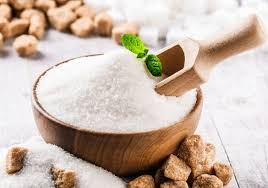 Erythritol
This one surprises people because it genuinely looks and acts like sugar. White granules, dissolves in hot liquid, gives baked goods structure. If you've tried making low-sugar besan laddoo or a keto cake and it came out weird — you probably weren't using erythritol.
It's a sugar alcohol made through fermentation. Body barely absorbs it — most exits through urine — so it contributes almost no calories and doesn't raise blood sugar.
In 2023 a study in Nature Medicine raised some questions about erythritol and heart health. Worth knowing. What the headlines often missed: the study was measuring erythritol in the bloodstream (including what the body makes naturally) rather than specifically tracking consumption of erythritol as a sweetener. Science is still working through this. Moderate use as a sugar substitute seems reasonable. I wouldn't eat it by the spoonful every day, but two teaspoons in your morning coffee is a different situation.
GI: 0 Best for: Home baking, keto recipes, anyone wanting sugar-like texture
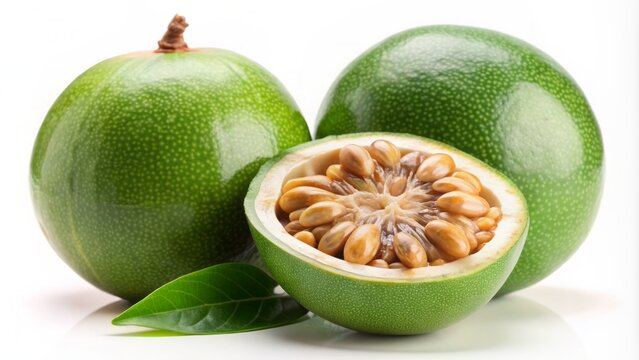 Monk Fruit
Monk fruit is a small gourd, originally from China. The sweet compounds — mogrosides — make it around 150–200 times sweeter than sugar. Zero calories, zero glycemic impact.
The reason it gets attention is the taste. Where stevia has an aftertaste that takes getting used to, monk fruit tends to taste cleaner to most people. If stevia was the one thing standing between you and cutting sugar — try monk fruit instead.
Downside in India: it's expensive and hard to find offline. Mostly Amazon or specialty health stores. Not a realistic everyday option for most households yet.
GI: 0 Best for: People who dislike stevia's taste but want zero-calorie sweetener
Quick Reference Table
| Sweetener | GI | Cal/tsp | Diabetes Safe | India Availability | Price |
|---|---|---|---|---|---|
| White Sugar | 65 | 16 | No | Everywhere | Very cheap |
| Jaggery | ~84 | 16 | No | Everywhere | Cheap |
| Desi Khand | ~67 | 15 | No | Most stores | Cheap |
| Stevia | 0 | 0 | Yes | Online + stores | Moderate |
| Erythritol | 0 | ~1 | Yes | Online | Moderate–High |
| Monk Fruit | 0 | 0 | Yes | Online only | High |
Who Should Use What — Straight Answers
Diabetic or prediabetic: Stevia or monk fruit. Not jaggery. Erythritol also fine for cooking. The "jaggery is safe for diabetics" thing is a myth that needs to stop.
Want to lose fat: Cut sugar from tea and coffee first — that's where most of the daily sugar comes from. Use stevia there. Try erythritol for sweets or baking. Doesn't have to be perfect, just mostly consistent.
Healthy, want less processing: Desi khand for daily use. Simple. Cheap. Doesn't require any lifestyle overhaul.
Hate stevia's taste: Try monk fruit before giving up entirely. Very different taste profile.
Like baking: Erythritol. Nothing else comes as close to sugar in texture and structure.
Some Things That Don't Get Said Enough
Coconut sugar, honey, dates, maple syrup — all frequently marketed as "healthy sugar alternatives." All still predominantly sugar. Your liver processes fructose the same way whether it arrived via an organic Himalayan honey jar or a plastic sugar packet. The GI differences are real but small.
Taste adjustment takes time. If you've eaten sweet food for years, stevia will seem weird for the first week. That's not the sweetener being bad — your palate is just recalibrating. It genuinely gets easier.
Most "stevia" products in India are a scam. Read ingredients before buying. If it lists dextrose or maltodextrin as the first ingredient — it's not really stevia.
Final Thoughts
Look — nobody needs to turn sweetener choice into a complicated project.
If you're generally healthy: move from refined white sugar to desi khand for daily use. Done. That's already a real, practical improvement with zero effort.
If blood sugar or weight is a concern: stevia or monk fruit in your daily drinks, erythritol for cooking. These aren't exotic choices anymore — they're available, they work, and your body will probably thank you within a few weeks.
The goal isn't to make eating feel like a punishment. It's to make slightly smarter choices in the everyday stuff so that when there IS a celebration, mithai at Diwali or gulab jamun at a wedding — you eat it without guilt and genuinely enjoy it.
That's a better relationship with food than obsessing over every gram of sugar. And it starts, honestly, with something as small as what you put in your morning chai.
General information only — not medical advice. If you have diabetes, PCOS, or metabolic conditions, talk to a qualified dietitian before making dietary changes.