
India's summers are no joke. When temperatures soar past 40°C and the air feels like a furnace, your body is constantly fighting to stay balanced. You sweat more, lose essential minerals, and if you're not eating right, fatigue and dehydration can creep up fast. The good news? Your kitchen already holds the answers. From ancient cooling drinks to humble fruits and grains, the Indian summer diet is a brilliant, time-tested system for surviving — and even thriving — in extreme heat.
Here's your complete guide to eating smart this summer.
Why Your Diet Changes Everything in Summer
Before diving into what to eat, it's worth understanding why food choices matter so much when the mercury rises.
In high heat, your body diverts blood flow to the skin to help you cool down through sweat. This puts extra strain on digestion. Heavy, oily, or spicy meals become harder to process, leaving you feeling sluggish and bloated. At the same time, you're losing water and electrolytes — sodium, potassium, magnesium — through sweat at a rapid rate.
The result? If you eat carelessly, you end up dehydrated, low on energy, and vulnerable to heat exhaustion.
The Indian summer diet — shaped by Ayurvedic wisdom and generations of lived experience — counters all of this naturally. It emphasizes cooling, light, water-rich foods that replenish what the heat takes away.
1. Coconut Water: Nature's Original Sports Drink
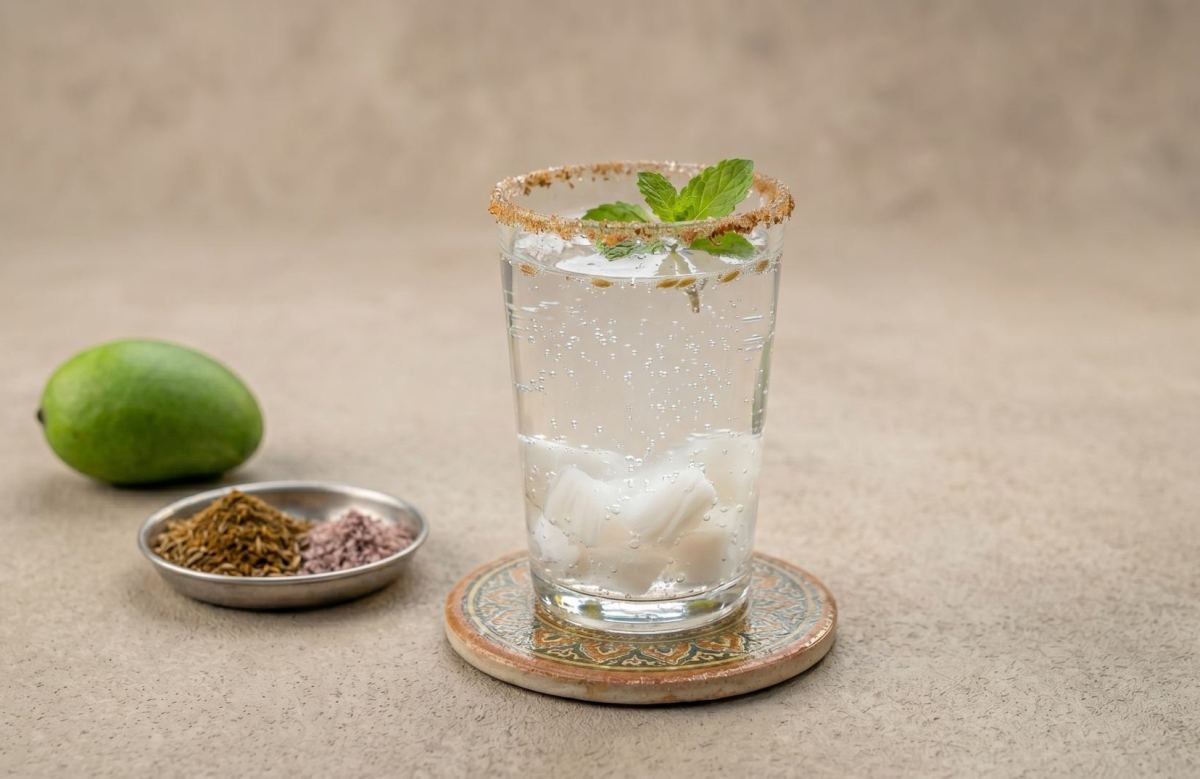 If there's one drink that defines Indian summer, it's tender coconut water. Sold on every street corner from Kerala to Kashmir, this humble drink is nothing short of a nutritional powerhouse for hot weather.
Coconut water is rich in natural electrolytes — particularly potassium, magnesium, and sodium — which are exactly what your body loses when you sweat heavily. Unlike commercial sports drinks, it contains no artificial colours, no added sugar, and no preservatives. It's nature's own rehydration formula, straight from the source.
What makes coconut water especially effective in summer is its isotonic nature, meaning its mineral composition is remarkably close to that of human blood plasma. This allows it to be absorbed by the body quickly and efficiently, rehydrating you faster than plain water in many cases.
How to drink it: Have one tender coconut (roughly 200–300 ml) mid-morning or after coming in from the heat. Avoid drinking it cold from the refrigerator immediately after being in the sun — let your body temperature settle first. Drink it fresh and at room temperature for maximum benefit.
Tip: The soft malai (coconut flesh) inside young coconuts is also excellent — rich in healthy fats and easy to digest.
2. Aam Panna: The Cooling Green Mango Warrior
 There's a reason your grandmother made Aam Panna the moment raw mangoes appeared in the market. This tangy, spiced green mango drink is one of the most effective heat-combating beverages in Indian culinary tradition — and modern nutrition backs it up beautifully.
Raw mangoes are rich in Vitamin C, which helps combat oxidative stress caused by heat exposure. They also contain malic acid and tartaric acid, which help maintain the body's acid balance — crucial when you're sweating heavily. The addition of black salt (kala namak) provides sodium, which is the primary electrolyte lost through sweat. Cumin (jeera) aids digestion and reduces bloating, which is common in hot weather when digestion is already sluggish.
Together, these ingredients make Aam Panna not just refreshing but genuinely medicinal.
Simple Aam Panna Recipe:
- Boil or roast 2 raw mangoes until soft
- Peel and extract the pulp
- Blend with water, black salt, roasted cumin powder, fresh mint, and jaggery or sugar to taste
- Chill and serve with a few ice cubes
Drink a glass in the early afternoon — the hottest part of the day — for best results. It prevents heat stroke, replenishes minerals, and gives you an instant energy lift without the sugar crash of a cold drink.
3. Water-Rich Fruits: Eat Your Hydration
In summer, your fruit bowl should look like a hydration strategy. Several fruits available abundantly during Indian summers have extremely high water content and are loaded with vitamins and natural sugars that give you quick, clean energy.
Watermelon tops the list with nearly 92% water content. It's also rich in lycopene (a powerful antioxidant), potassium, and the amino acid citrulline, which supports blood flow and reduces muscle soreness. Eat it as a mid-morning snack or blend it into a light juice.
Muskmelon (Kharbooja) is another summer staple — sweet, cooling, and packed with beta-carotene and Vitamin A, which protect your skin from sun damage.
Mangoes, when ripe, provide natural sugars for quick energy, Vitamin A, Vitamin C, and folate. Despite their reputation for being "heaty," eaten in moderation (1–2 daily) with a glass of milk or after soaking in water for 30 minutes, they are perfectly safe and nutritious.
Lychees are rich in Vitamin C and antioxidants. Eat them in moderation — about 10 a day — as they are high in natural sugar.
Cucumbers (Kheera) deserve a special mention. Though technically a vegetable, cucumber is one of the most cooling, hydrating foods you can eat in summer. Add it to raita, salads, or just slice it with a sprinkle of chaat masala for a perfect afternoon snack.
4. Curd and Buttermilk: Your Gut's Best Friend in the Heat
Dahi (yogurt/curd) is perhaps the most important food in the Indian summer diet, and for good reason. It is cooling by nature, easy to digest, and packed with probiotics that keep your gut healthy even when heat disrupts your digestion.
In summer, the risk of food-borne illnesses increases because bacteria multiply faster in heat. A strong gut with healthy probiotic bacteria is your first line of defense. Regular consumption of fresh homemade curd helps maintain this balance.
Chaas (buttermilk) — made by diluting curd with water and adding roasted cumin, rock salt, and fresh coriander or mint — is perhaps the perfect Indian summer drink. It is light on the stomach, rehydrating, probiotic-rich, and deeply cooling.
Traditional wisdom across India recommends drinking a glass of chaas after lunch every single day during summer. Science agrees: the lactic acid in buttermilk aids digestion, its high water content rehydrates, and its potassium content helps restore electrolyte balance.
How to use curd in summer meals:
- Eat rice with curd (curd rice is especially popular in South India for this reason)
- Use it as the base for raita with cucumber, mint, or boondi
- Make lassi (sweet or salted) for breakfast or post-workout recovery
- Replace heavy gravies with curd-based curries
5. Light Grains: Switch from Heavy to Smart
Summer is not the season for heavy wheat rotis loaded with ghee at every meal, or for rich, oily dals. Your body simply doesn't have the digestive firepower to handle them when it's busy managing the heat.
This is the time to switch to lighter grains and cooking styles.
Rice is inherently cooling and easy to digest. No wonder curd rice, khichdi, and puffed rice (murmura) are summer favorites across India. A simple khichdi made with rice and moong dal, tempered lightly with cumin and a little ghee, is one of the most nourishing, easy-to-digest meals you can have.
Jowar (Sorghum) is a fantastic summer millet. Jowar rotis are lighter than wheat rotis, naturally cooling, and high in fiber, iron, and protein. Many communities in Maharashtra and Rajasthan traditionally rely on jowar during summer for exactly this reason.
Sattu — roasted gram flour — is the unsung hero of the Indian summer diet, especially popular in Bihar, Uttar Pradesh, and Madhya Pradesh. A glass of sattu sherbet (sattu mixed with water, lemon juice, black salt, and cumin) is incredibly filling, protein-rich, and has a powerful cooling effect on the body.
6. Mint and Coriander: Small Herbs, Big Cooling Power
Fresh pudina (mint) and dhania (coriander) are not just garnishes — in summer, they are active cooling agents.
Mint contains menthol, which activates cold-sensitive receptors in the mouth and throat, creating an immediate sensation of coolness. It also has antispasmodic properties that calm digestive discomfort — particularly useful in summer when bloating and indigestion are common.
Add fresh mint to your chaas, Aam Panna, lemon water, or chutneys. Make a simple mint-coriander chutney and eat it with every meal. Use it liberally — your body will thank you.
Coriander is equally powerful. Coriander seed water (soak a tablespoon of seeds overnight, strain and drink in the morning) is a traditional remedy for heat-related digestive issues and is known to have a cooling effect on the system.
7. What to Avoid (Just as Important)
Knowing what to eat is half the story. Knowing what to avoid in Indian summer heat is equally critical.
Fried and oily foods slow digestion and generate internal heat — the opposite of what you need. Samosas, pakoras, and heavy curries are best saved for cooler evenings, if at all.
Excess tea and coffee are diuretics, meaning they cause you to lose more water through urination. One cup in the morning is fine, but multiple cups through the day in summer will dehydrate you faster.
Very cold drinks straight from the fridge may feel refreshing but they shock your digestive system and can cause throat infections. Opt for room-temperature or mildly cooled drinks instead.
Excessive red meat is hard to digest and generates heat during metabolism. In peak summer, reduce non-vegetarian meals or opt for lighter proteins like fish, eggs, or dal instead.
Sugary packaged drinks — colas, tetra-pack juices, flavored sodas — are loaded with refined sugar and additives that spike blood sugar and worsen dehydration in the long run.
8. Practical Summer Eating Schedule
Putting it all together, here's what a well-designed Indian summer day of eating could look like:
Early Morning (6–7 AM): A glass of room-temperature water with lemon and a pinch of black salt, or coriander seed water.
Breakfast (8–9 AM): Light options — poha, upma, idli-sambar, or a small bowl of curd with fruit. Avoid heavy parathas.
Mid-Morning (11 AM): One glass of Aam Panna or coconut water. A handful of soaked almonds or a seasonal fruit.
Lunch (1–2 PM): Rice or jowar roti with a light dal or vegetable curry, a bowl of cucumber-mint raita, and a glass of chaas.
Afternoon (4 PM): Sattu sherbet, nimbu pani, or a slice of watermelon. Avoid heavy snacks.
Dinner (7–8 PM): Keep it the lightest meal of the day — khichdi, dal-rice, or a simple sabzi with roti. Finish early to allow proper digestion before sleep.
Final Thoughts
India's extreme summer heat is a real health challenge — but the Indian food tradition gives you everything you need to face it. Coconut water restores your electrolytes. Aam Panna protects against heat stroke. Curd cools your gut and boosts immunity. Water-rich fruits keep you hydrated from the inside. Millets and light grains ease the burden on your digestion.
The key principle is simple: eat light, hydrate often, and trust the wisdom of traditional Indian summer foods.
Your body is remarkably well-equipped to handle the heat — as long as you feed it right. This summer, skip the packaged drinks and heavy meals, and go back to the foods your grandparents swore by. They knew exactly what they were doing.
Stay cool, stay nourished, and enjoy the season — mangoes and all.